Henrik Schulz · 1 October 2026
Data Patterns Showing Diversified Inbound Traffic Origins After Extensive Platform Backend Modifications in Educational Resource Portals
Platform administrators at several educational resource sites completed extensive backend modifications throughout 2025 and into 2026 which included database restructuring, API endpoint expansions, and content delivery network adjustments, and these changes coincided with measurable shifts in where inbound traffic originated, as tracked through analytics dashboards that logged visitor sources by region and referral type.
Observed Shifts in Traffic Sources
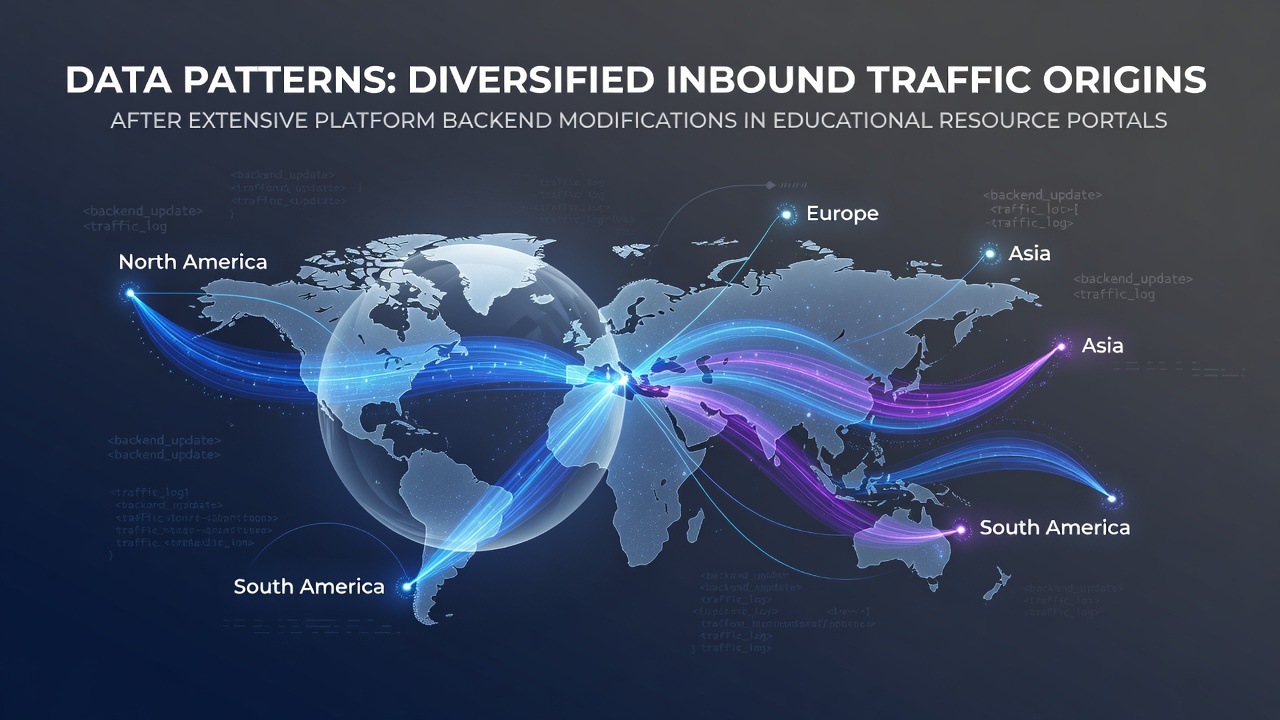
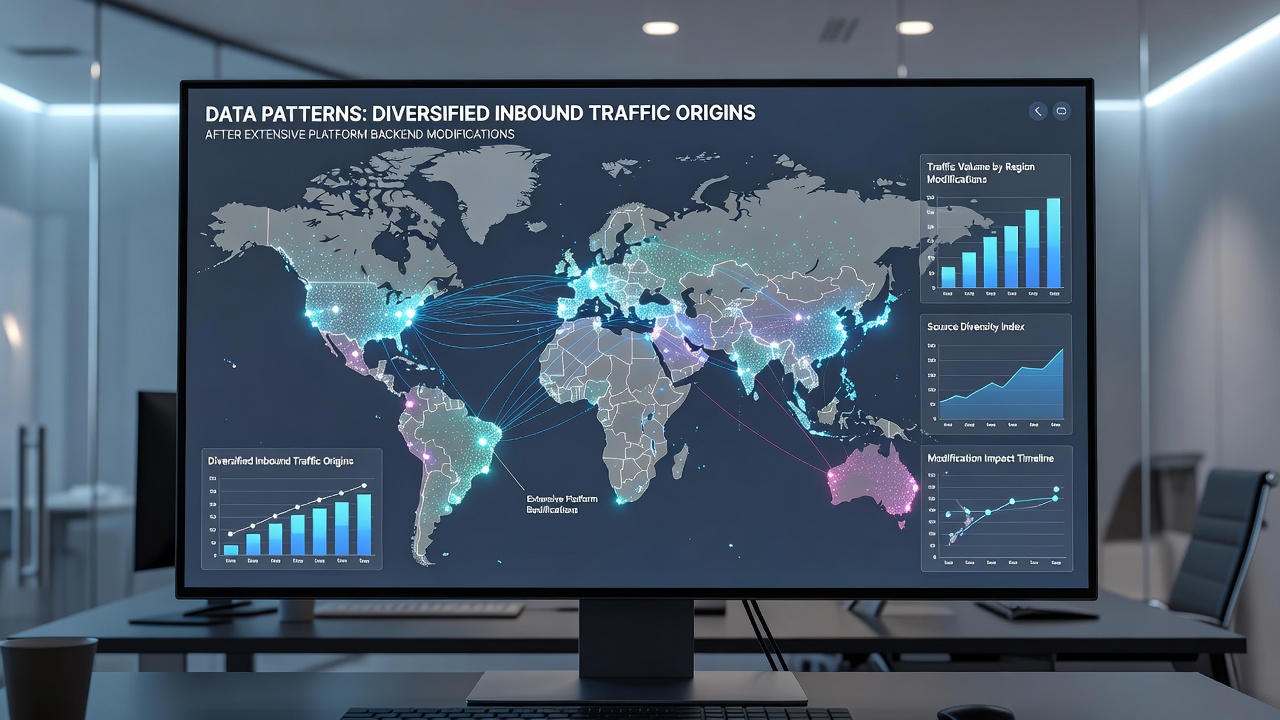
Researchers monitoring portal activity noted that direct visits and search engine referrals increased while social media and aggregator links also contributed larger shares after the updates, and data compiled from multiple sites showed traffic arriving from previously underrepresented regions including parts of Southeast Asia and Eastern Europe that had not appeared in earlier logs at comparable volumes.
Platform teams integrated new caching mechanisms and improved mobile rendering protocols which allowed faster load times across different network conditions, and this technical adjustment aligned with a rise in mobile device connections from educational institutions in Australia and Canada according to aggregated server records.
Geographic Distribution Changes
Analytics from October 2026 indicated that educational portals received more sessions from North American users alongside growing percentages from European adn Latin American locations, while referral patterns diversified to include government education ministry websites and university library systems that previously directed minimal traffic.
One analysis of server logs revealed that organic search queries related to curriculum resources generated sustained visits from new keyword clusters, and platform operators documented these patterns through internal reporting tools that segmented traffic by country code and device category.
Technical Factors Behind the Patterns
Backend modifications encompassed updates to authentication layers and search indexing compatibility which improved how external crawlers interacted with site content, and observers recorded subsequent gains in visibility within academic search tools maintained by organizations such as the OECD education database that tracks digital learning resources across member countries.
Additional adjustments involved expanded metadata schemas and structured data implementations that supported better integration with regional education portals, and these steps corresponded with higher referral rates from sites operated by Statistics Canada education divisions as well as similar bodies in other regions.
Referral and Direct Traffic Trends
Direct traffic volumes rose after the backend work because bookmarking features and saved session links became more reliable across devices, and referral traffic from partner university networks increased as content became easier to embed in learning management systems used at institutions in multiple countries.
Platform reports from mid-2026 highlighted that bounce rates declined across most new origin categories which suggested users arriving from diversified sources spent comparable time on pages as those from established channels, while conversion metrics for resource downloads showed steady performance without sharp drops.
Data Collection Methods
Administrators employed standardized tracking scripts that captured referrer headers, geographic IP data, and session duration metrics, and these datasets were cross-referenced with public education statistics released by national agencies to validate the observed diversification in traffic origins following the technical updates.
Longer observation periods allowed teams to identify seasonal patterns where traffic from specific regions peaked during academic terms, and the backend changes appeared to stabilize these fluctuations by maintaining consistent accessibility regardless of origin network conditions.
Conclusion
Records from educational resource portals demonstrate that backend modifications implemented across 2025 and 2026 produced measurable diversification in inbound traffic origins, with data indicating expanded geographic reach and varied referral channels that continued into October 2026, and platform operators continue to monitor these metrics through ongoing analytics reviews to document further developments in user access patterns.