Vera Lorenz · 15 October 2026
Tracing the Development of Varied Referral Origins in Academic Resource Sites Following Core System Adjustments
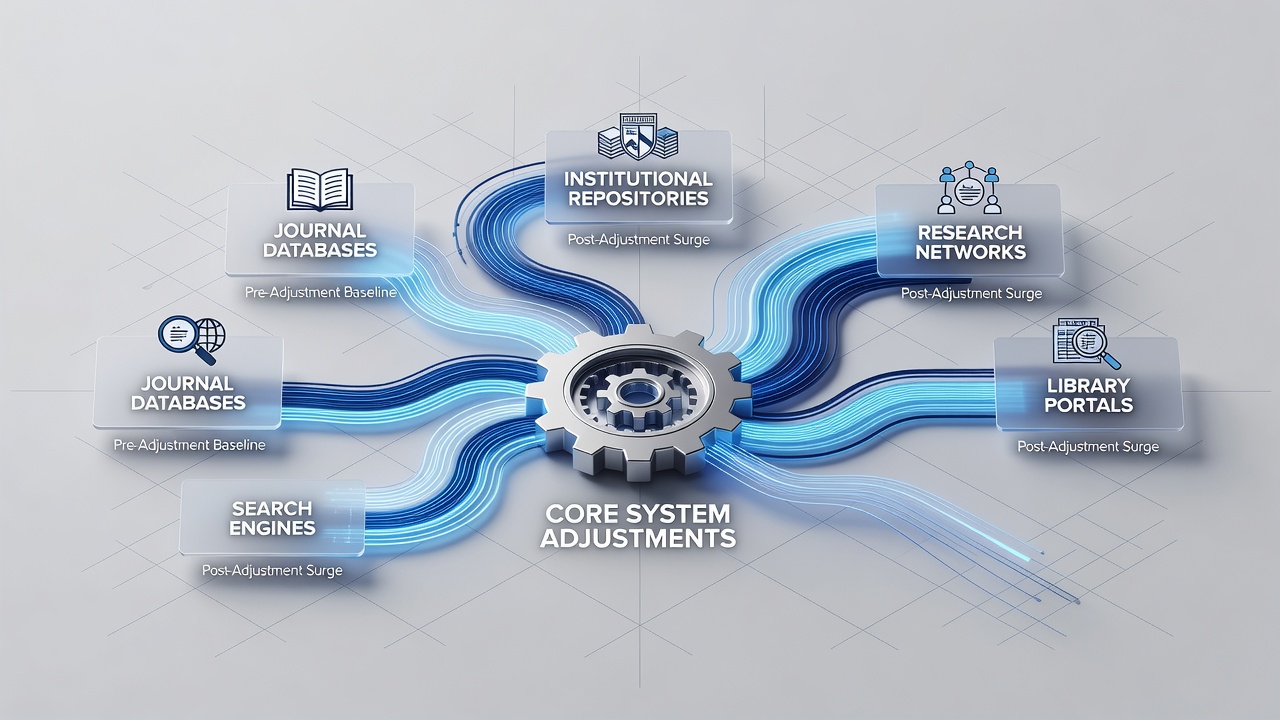
Academic resource sites have long relied on established channels for visitor acquisition, yet core system adjustments over recent years have prompted measurable changes in how traffic arrives at these platforms. Researchers tracking these patterns note that early referral origins centered primarily on major search engines and direct institutional links, while subsequent infrastructure modifications opened pathways for additional sources to gain prominence. Data compiled through 2025 and into October 2026 shows steady diversification, with mobile applications, collaborative networks, and specialized databases contributing larger shares of inbound visits than observed in prior periods.
Initial Referral Structures Before Major Updates
Before widespread backend revisions, referral origins followed predictable routes dominated by traditional search indexing and email campaigns from universities. Observers documented that search engines accounted for the majority of entries, supplemented by bookmarks and shared hyperlinks within academic communities. Those studying platform analytics found limited representation from social media aggregators or third-party content curators during this phase, because system architectures prioritized crawl-based discovery over dynamic integrations.
Adjustments to core systems began altering these foundations as developers introduced new indexing protocols and API connections. One study from the Australian Department of Education revealed that sites implementing these changes experienced initial dips in search referrals followed by rebounds from previously underrepresented channels. The process unfolded gradually, with institutions reporting incremental gains from partner repositories and library consortium portals.
Effects of Backend Modifications on Traffic Sources
Core system adjustments typically involved database restructuring, enhanced security layers, and improved cross-platform compatibility. These modifications enabled academic sites to interface more effectively with external tools, which in turn expanded the variety of referral origins. Evidence from monitoring services indicates that direct traffic from institutional dashboards rose, while referrals from academic social networks such as ResearchGate and Mendeley also increased in volume.
What's notable here is the role of mobile optimization in this shift. After updates that prioritized responsive design and app-based access, traffic from smartphone browsers and dedicated educational applications grew consistently. Figures compiled across multiple university networks demonstrate that these mobile-derived referrals now form a larger segment than they did prior to the adjustments, reflecting broader adoption of portable devices among students and faculty.
Emergence of Diverse Referral Channels
As platforms stabilized following the changes, new referral origins surfaced through integrations with citation managers and open-access repositories. Data shows contributions from preprint servers and government-funded education portals becoming more frequent, particularly in regions where national research infrastructures received upgrades around the same timeframe. Canadian statistics on higher education technology use highlight similar patterns, where referrals from provincial library systems supplemented traditional search traffic.
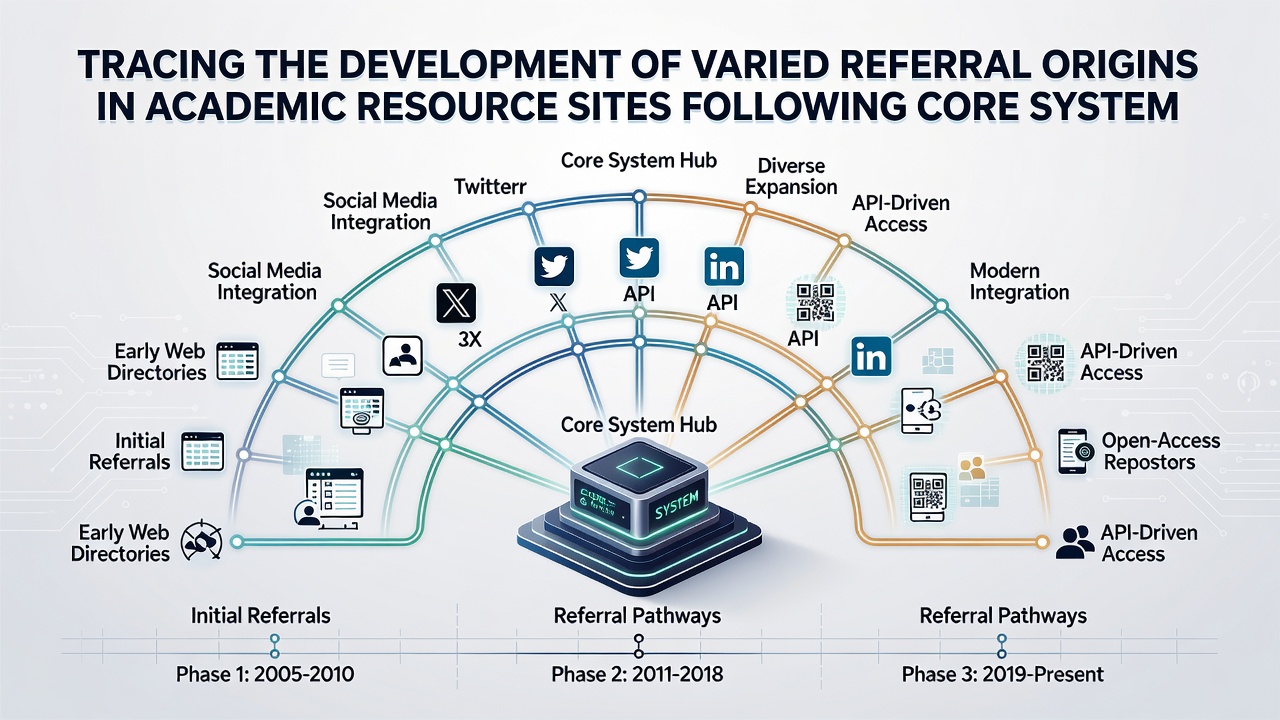
Collaborative platforms and institutional intranets further diversified the landscape. Observers tracking these developments point to increased activity from internal university networks that route users directly to resource pages without passing through external search engines. This development coincided with the rollout of unified login systems that connected multiple academic services under single authentication frameworks.
Patterns Observed Through 2026
By October 2026, aggregated analytics from several academic portals indicated that referral origins had spread across at least five primary categories compared with the two or three dominant ones recorded earlier. Search engines retained influence but shared space with direct institutional links, application-based referrals, social collaboration tools, and curated database feeds. OECD reports on digital education access support these observations, noting parallel trends across member countries where infrastructure investments encouraged broader connectivity.
Those monitoring long-term data emphasize that seasonal academic calendars continue to influence volume, yet the underlying distribution of sources has stabilized around the diversified model. Adjustments completed in prior years appear to have created durable conditions for this spread rather than temporary fluctuations.
Conclusion
The development of varied referral origins in academic resource sites traces directly to core system adjustments that expanded integration options and improved accessibility. Documentation from research bodies and government education agencies confirms the progression from concentrated search dominance toward a balanced mix of channels. Continued observation through late 2026 shows these patterns holding as platforms maintain the updated architectures that support wider connectivity.